Sheep Milk
CommonMediterranean, Middle East, Europe, and parts of Asia
Milk produced by domestic sheep. Its relatively high fat, protein, and total-solids content makes it especially well suited to cultured dairy products and cheesemaking.
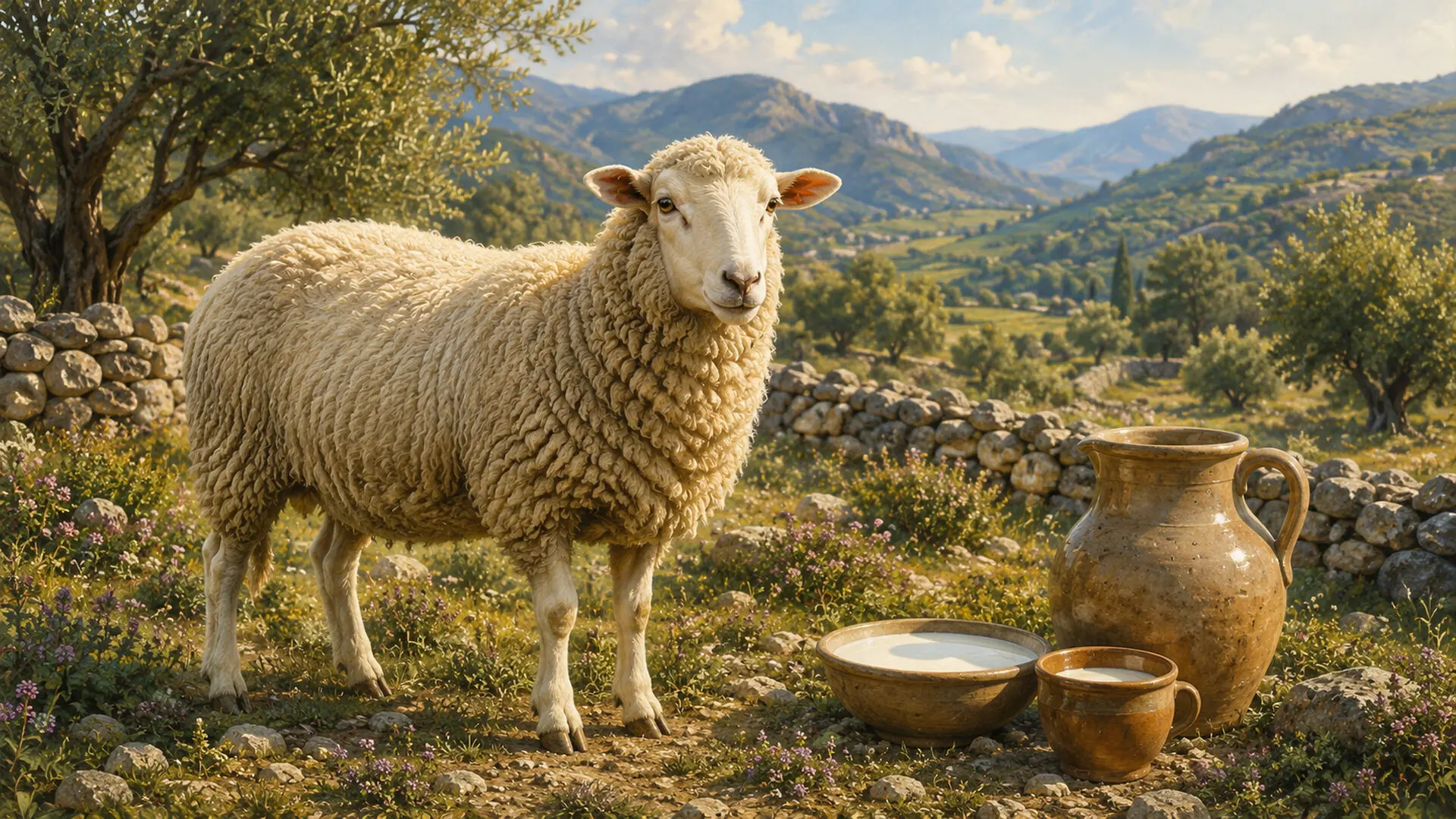


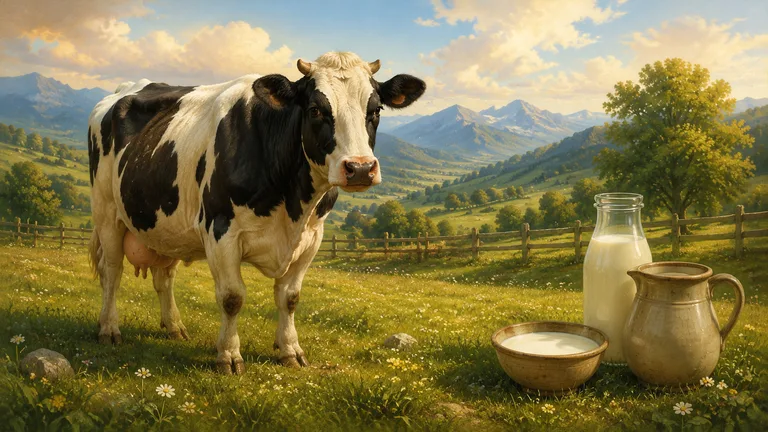



Milk produced by domestic sheep. Its relatively high fat, protein, and total-solids content makes it especially well suited to cultured dairy products and cheesemaking.
Sheep milk is produced by domestic ewes (Ovis aries) and is one of the oldest animal milks consumed by humans. Sheep were among the first animals domesticated in the ancient Near East, approximately 10,000–11,000 years ago, and sheep milk has been consumed and used to make cheese and yogurt for millennia across the Mediterranean, Middle East, and Central Asia. According to the Food and Agriculture Organization of the United Nations (FAO), global sheep milk production exceeds 10 million tonnes annually, with Turkey, China, Greece, Romania, and Syria among the leading producers.
Sheep milk is significantly richer than cow or goat milk — it typically contains 5.5–7.5% fat and 5.5–6.5% protein, compared to approximately 3.5% fat and 3.3% protein in standard Holstein cow milk. This richness makes sheep milk exceptionally well suited for cheesemaking: its higher solids content means more cheese is produced per litre of milk than with cow or goat milk. Sheep milk fat globules are smaller than in cow milk, and the milk naturally lacks the agglutinin protein that causes fat to cream in cow milk, giving it a naturally homogenised appearance similar to goat milk.
Sheep milk has a higher lactose content than cow milk (approximately 4.8%), but its higher protein and fat content means that dairy products made from it (particularly aged cheeses like Pecorino and Manchego) are very low in lactose. Its casein protein composition differs from cow milk, though it still contains many of the same proteins and is not suitable for people with general dairy protein allergies. Sheep dairy is especially prominent in Mediterranean and Middle Eastern food cultures, where traditional cheeses made from sheep milk have been produced for thousands of years.
Sheep whole milk (per 240ml / 1 cup) typically contains:
Sheep milk is considerably richer than cow or goat milk. It provides substantially more calcium, protein, and fat per cup than cow milk, making dairy products made from it very nutritionally dense. It contains lactose and is not suitable for people with lactose intolerance or dairy allergy. Sheep milk is an excellent source of calcium, riboflavin (B2), and vitamin B12.
Sheep milk is most famous as the raw material for some of the world's most celebrated cheeses. Roquefort (France), Pecorino Romano and Pecorino Sardo (Italy), Manchego (Spain), and Feta (Greece/Cyprus) are all traditionally made from sheep milk or sheep-goat blends. Sheep milk yogurt is richer and creamier than cow milk yogurt. Fresh sheep milk is consumed in rural areas of Southern Europe, the Middle East, and Central Asia. Sheep milk ice cream is produced by specialty dairies in Europe and North America for its exceptional richness.