Cow Milk
CommonWorldwide
Milk produced by domestic cattle and the world's most widely consumed animal milk, forming the basis of a vast range of dairy products across nearly every culture.







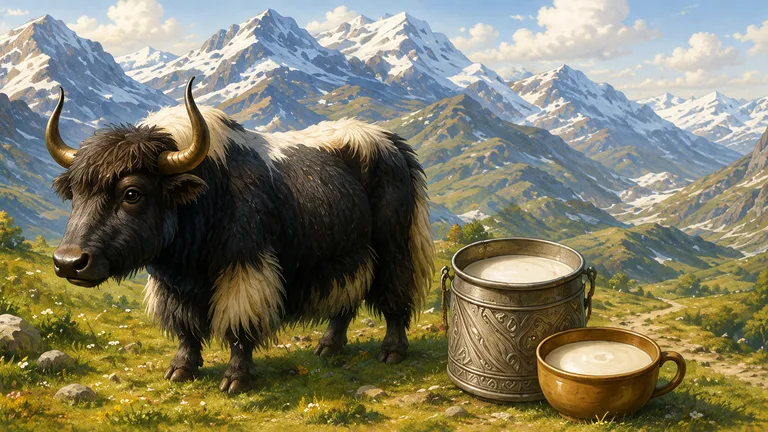
Milk produced by domestic cattle and the world's most widely consumed animal milk, forming the basis of a vast range of dairy products across nearly every culture.
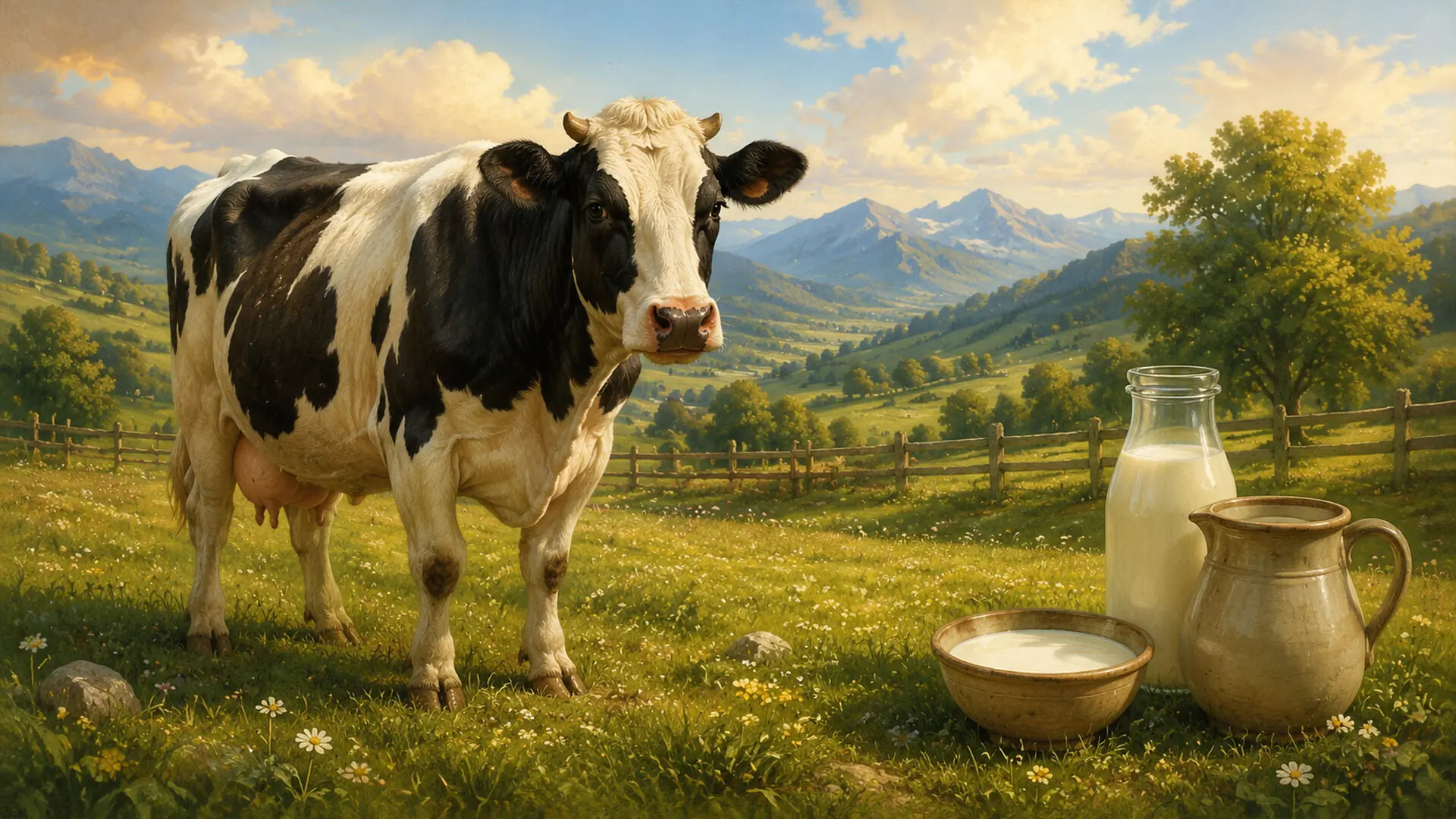
Cow milk is produced by domestic cattle (Bos taurus) and is by far the most widely produced and consumed animal milk in the world. According to the Food and Agriculture Organization of the United Nations (FAO), cattle milk accounts for the vast majority of total global milk production, with hundreds of millions of tonnes produced every year across every inhabited continent.
Cattle were domesticated approximately 8,000–10,000 years ago in the Near East and independently in parts of Africa and South Asia. Milk was one of the primary reasons cattle were kept, alongside their use as draft animals. Over thousands of years, selective breeding produced modern dairy breeds such as Holstein-Friesian, Jersey, Guernsey, Brown Swiss, and Ayrshire, each with different characteristics in terms of milk volume, fat content, and protein composition.
The flavour of fresh whole cow milk is mild, slightly sweet from its natural lactose content, and creamy from its fat. The richness of the flavour varies significantly depending on the breed of cattle, what they are fed (pasture grass versus grain), the season, and how the milk is processed. Jersey and Guernsey milk, for example, tends to be noticeably richer and more golden in colour due to higher butterfat and beta-carotene content compared to Holstein milk.
Cow milk is sold in many forms: whole milk (full-fat), semi-skimmed, skimmed, lactose-free, UHT (ultra-heat treated), and raw (unpasteurised, where permitted by law). Pasteurisation — the process of briefly heating milk to destroy harmful bacteria — became standard practice in the 20th century and is now required in most countries. Homogenisation, which breaks up fat globules so cream does not separate, is also standard in most commercial milk.
The nutritional composition of cow milk varies by fat level and breed, but a typical serving of whole cow milk (240 ml / 1 cup) contains approximately:
Cow milk is a significant source of calcium, which supports bone and teeth health. It also provides complete protein (containing all essential amino acids), B vitamins including riboflavin and B12, phosphorus, and potassium. In many countries, cow milk is fortified with Vitamin D to support calcium absorption. Skimmed and semi-skimmed versions retain most of the protein and calcium content while reducing fat and calories.
People with lactose intolerance produce insufficient quantities of the enzyme lactase and may experience digestive discomfort after consuming cow milk. Lactose-free cow milk is widely available and provides identical nutrition with the lactose pre-digested into glucose and galactose. Cow milk allergy (an immune response to milk proteins such as casein and whey) is distinct from lactose intolerance and affects a small percentage of the population, primarily young children.
Cow milk is one of the most versatile food ingredients in the world. When consumed fresh it is drunk on its own, added to tea and coffee, poured over cereals, and blended into smoothies. It is the primary raw material for the global dairy industry, which produces thousands of varieties of cheese, butter, yogurt, cream, ghee, condensed milk, evaporated milk, powdered milk, and ice cream.
In baking and cooking, cow milk adds moisture, richness, and tenderness to breads, cakes, sauces, custards, and soups. Its proteins and sugars also contribute to browning (Maillard reaction) in baked goods. Cow milk is the basis of infant formula worldwide, formulated to approximate human breast milk as closely as possible in nutritional composition.