Evaporated Milk
CommonWorldwide
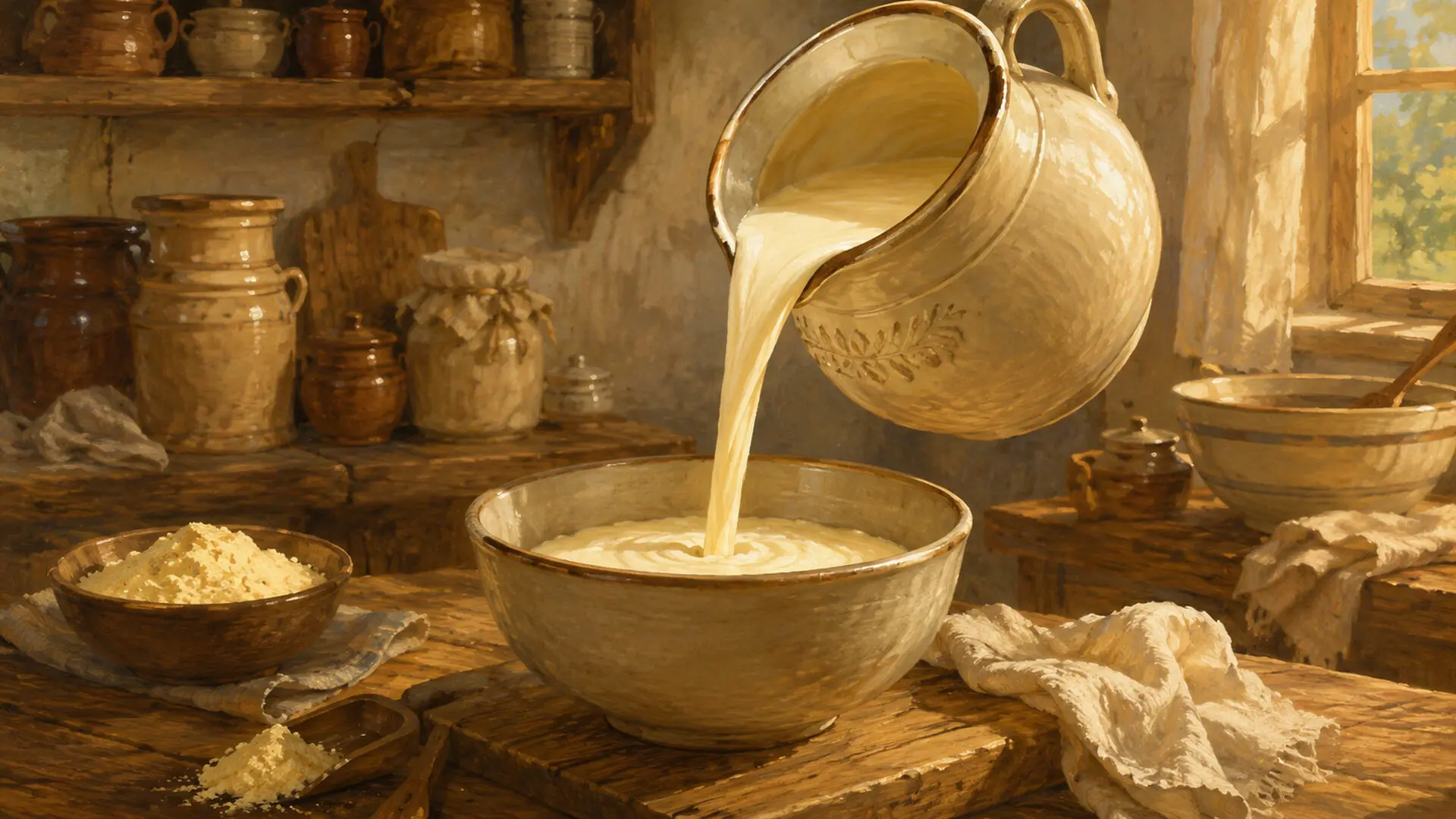
An unsweetened concentrated milk produced by partially removing water from milk and heat processing the product in a sealed container to prevent spoilage.
An unsweetened concentrated milk produced by partially removing water from milk and heat processing the product in a sealed container to prevent spoilage.
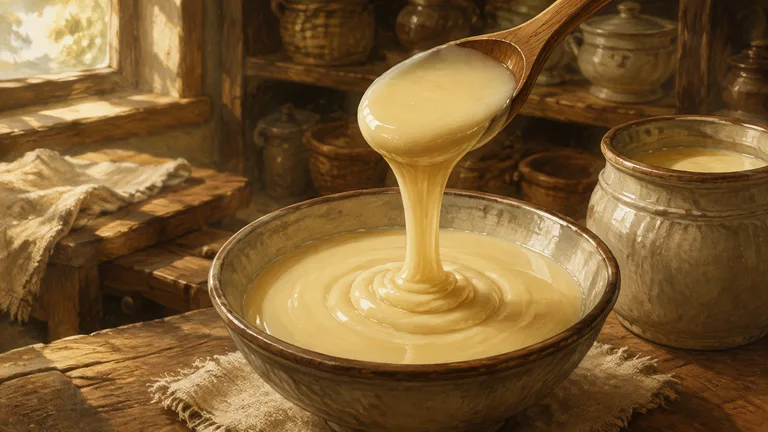
Evaporated milk is a shelf-stable canned dairy product made by removing approximately 60% of the water from whole cow milk through heat evaporation under vacuum, without adding sugar. The result is a concentrated, slightly caramelised dairy product with a distinctive cooked milk flavour and a creamy, golden colour. Unlike sweetened condensed milk, evaporated milk contains no added sugar and can be reconstituted into a liquid resembling whole milk by adding an equal volume of water.
The process of making evaporated milk was developed in the 19th century alongside condensed milk as a method of preserving dairy without refrigeration. After evaporation, the milk is homogenised, sterilised, and sealed in cans. The sterilisation process (heating to very high temperatures) is what gives evaporated milk its long shelf life without refrigeration — typically two years or more in sealed cans. Once opened, it must be refrigerated and used within a few days.
The Codex Alimentarius standard for evaporated milk (CXS 281-1971) specifies a minimum milk fat content of 7.5% and minimum milk solids, without added sugar. Evaporated milk is produced in full-fat, low-fat (2% fat), and skim (fat-free) varieties. It is commonly sold in small 170g or 410g cans and is widely used in baking and cooking, particularly in regions where fresh milk is less reliably available or affordable.
Evaporated whole milk (per 240ml / 1 cup, undiluted) typically contains:
Because water has been removed, evaporated milk is much more concentrated in all nutrients than whole milk — it provides roughly double the protein, calcium, and fat per volume. When reconstituted with equal water, nutritional values are comparable to whole milk. Evaporated milk is not suitable for people with lactose intolerance or dairy allergies.
Evaporated milk is used extensively in baking and cooking. It is the standard dairy component in American pumpkin pie filling, and is used in fudge, caramel sauce, and creamy desserts. In cooking, it can replace cream in sauces and soups, providing richness with slightly less fat. In many parts of the Caribbean, Latin America, and Southeast Asia, evaporated milk is stirred into coffee and tea as a shelf-stable alternative to fresh cream. When diluted with equal water, it can substitute for fresh whole milk in most recipes.