Butter
CommonWorldwide
A dairy fat product made by concentrating the fat phase of milk or cream, traditionally by churning cream until the fat separates and forms a continuous mass.

A dairy fat product made by concentrating the fat phase of milk or cream, traditionally by churning cream until the fat separates and forms a continuous mass.
Butter is a dairy product made by churning cream — the high-fat portion of cow milk — until the fat globules coalesce into a solid mass and separate from the remaining liquid (buttermilk). It is one of the oldest processed dairy products in the world, with evidence of butter production dating back at least 10,000 years to early pastoral communities in the Middle East and Europe. Butter has been central to the cuisines and food cultures of Europe, South Asia, and East Africa for millennia.
Butter is composed primarily of milk fat (typically 80% or more by weight in most countries, as defined by food standards). The remaining components include water (approximately 16–17%) and milk solids (approximately 1–2%), which contain proteins and lactose. The Codex Alimentarius standard for butter (CXS 279-1971) specifies a minimum milk fat content of 80% for products labelled as butter. European-style butters often contain 82–84% fat, producing a richer flavour and better performance in pastry.
Butter colour ranges from pale cream to deep golden yellow depending on what the cows eat. Grass-fed cows produce milk with more beta-carotene, yielding a distinctly yellower butter. Cultured butter is made by fermenting the cream with lactic acid bacteria before churning, producing a tangier, more complex flavour. Unsalted butter is standard for baking, while salted butter — which contains 1–2% added salt — is more common for spreading and cooking in many countries.
Butter (per 14g / 1 tablespoon serving) typically contains:
Butter is almost entirely fat and is a significant source of saturated fat and dietary cholesterol. It is also a source of fat-soluble vitamins A, D, E, and K. Grass-fed butter contains higher levels of conjugated linoleic acid (CLA) and vitamin K2 than butter from grain-fed cows. Butter contains very small amounts of lactose, so many people with lactose intolerance can tolerate it in normal serving sizes.
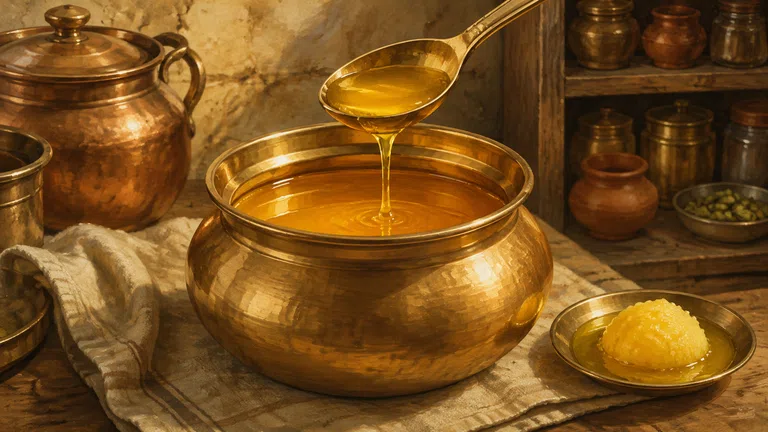
Butter is one of the most important cooking fats in the world. In baking, it provides flavour, tenderness, and structure to cakes, biscuits, croissants, and pastry. In cooking, it is used for sautéeing, pan sauces, and finishing dishes with a glossy, rich coating. French cuisine in particular relies heavily on butter — classic sauces such as beurre blanc, hollandaise, and beurre noisette (brown butter) are all butter-based. In Indian cooking, butter is clarified into ghee. In Ethiopian cuisine, niter kibbeh (spiced clarified butter) is a foundational cooking fat.