Yogurt
CommonWorldwide
A fermented milk food produced by culturing milk with lactic acid bacteria. Its composition varies with the starting milk, concentration of milk solids, and other ingredients.
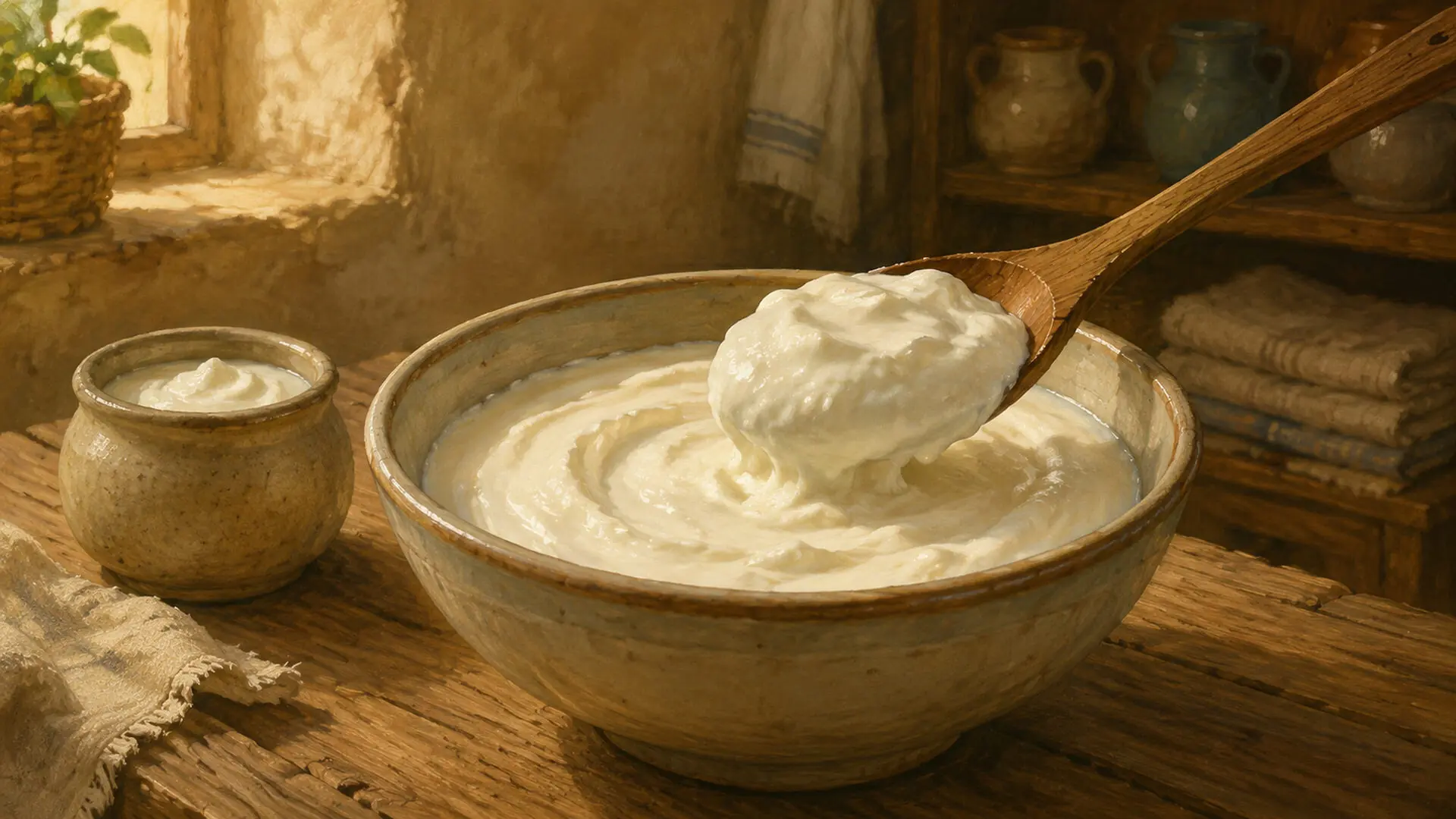

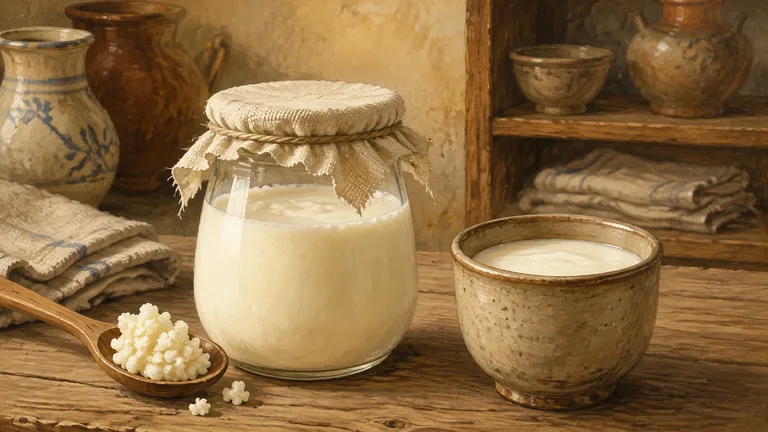
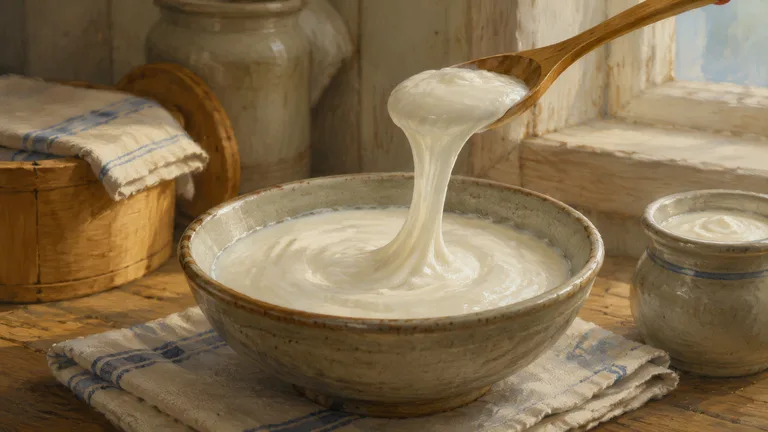
A fermented milk food produced by culturing milk with lactic acid bacteria. Its composition varies with the starting milk, concentration of milk solids, and other ingredients.
Yogurt is a fermented milk food produced by culturing milk with specific lactic acid bacteria. It is one of the oldest known fermented foods, with origins tracing back thousands of years to Central Asia and the Middle East, where milk stored in animal skin pouches would naturally ferment in warm climates due to wild bacteria present in the containers.
The modern production of yogurt relies on two specific starter bacteria: Streptococcus thermophilus and Lactobacillus delbrueckii subsp. bulgaricus. These bacteria work together symbiotically — converting lactose (milk sugar) into lactic acid, which causes the milk proteins to coagulate and thicken, producing yogurt's characteristic tangy flavour and gel-like texture.
Yogurt is made from the milk of many animals including cows, goats, sheep, and water buffalo, though cow milk yogurt dominates global commercial production. Greek yogurt (strained yogurt) is thickened further by removing excess whey, producing a denser, higher-protein product. According to the Codex Alimentarius standard for fermented milks, yogurt must contain the two characteristic starter organisms in live and active form at the time of sale, at a minimum level of 10 million colony-forming units per gram.
The nutritional content of yogurt varies by milk type, fat level, and whether it is strained. A typical serving of plain whole milk yogurt (245 g / 1 cup) contains approximately:
Because fermentation converts a portion of lactose into lactic acid, yogurt is often better tolerated than fresh milk by people with lactose intolerance. Strained (Greek-style) yogurt typically contains more protein and less lactose per serving. Yogurt is a good source of calcium, phosphorus, riboflavin, and vitamin B12.
Yogurt is consumed around the world as a standalone food and as a cooking ingredient. In South Asian cuisine it forms the base of raita, lassi, and meat marinades. In the Middle East and Mediterranean it is used to make labneh and tzatziki. In Western cuisines, yogurt is eaten at breakfast with fruit and granola, blended into smoothies, and used as a lower-fat substitute for sour cream in cooking and baking.