Filmjölk
RegionalSweden and other Nordic countries
A traditional Swedish cultured sour milk produced through mesophilic fermentation and commonly eaten as a breakfast food.
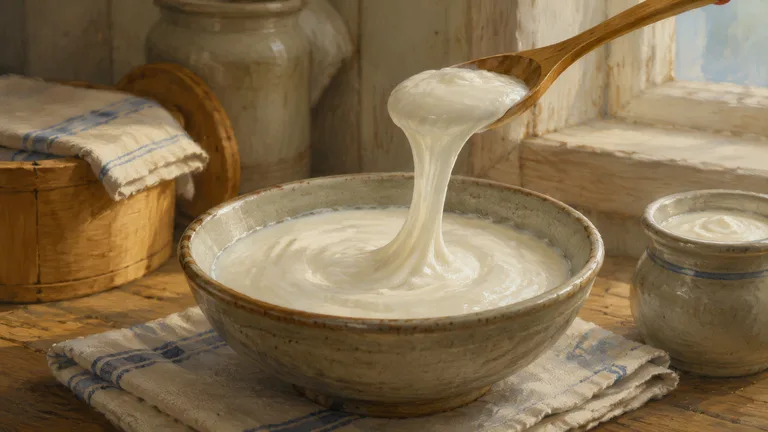
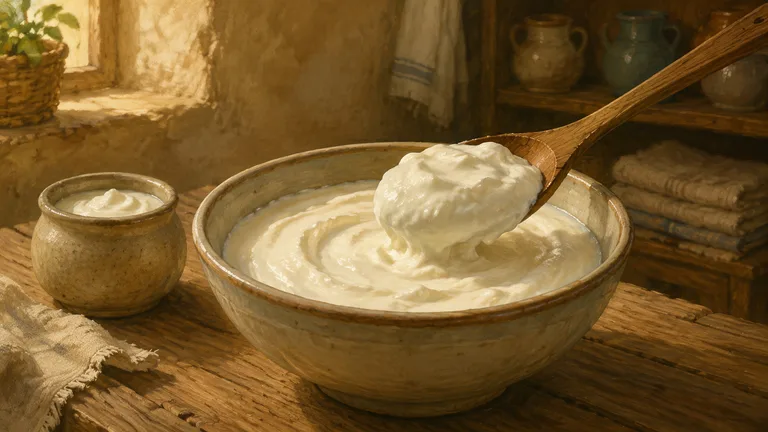
A traditional Swedish cultured sour milk produced through mesophilic fermentation and commonly eaten as a breakfast food.
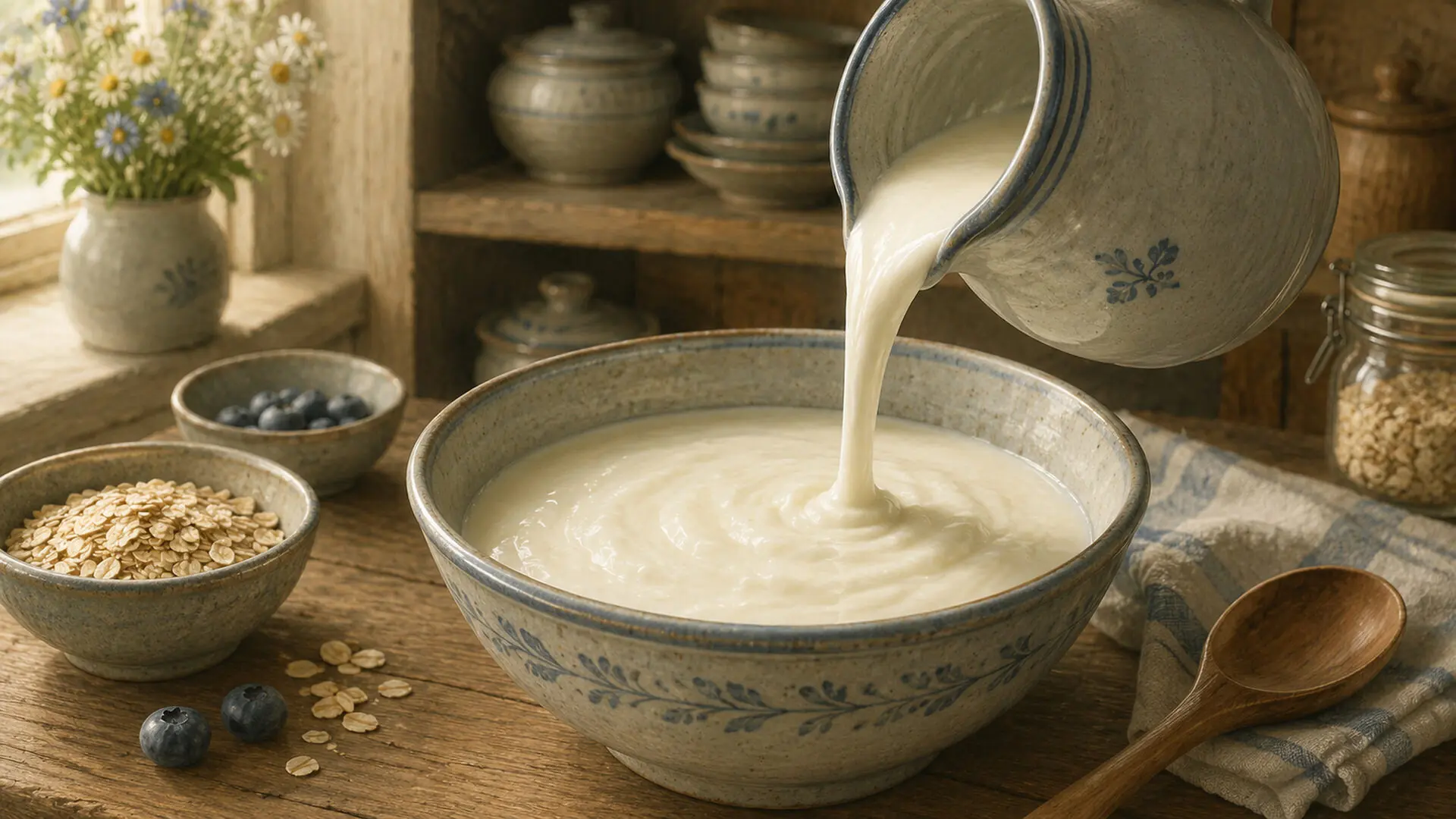
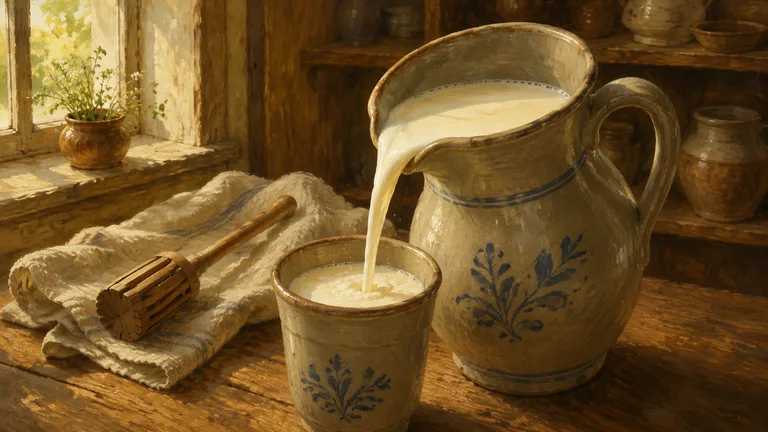
Filmjölk (pronounced "FILM-yulk") is a traditional Swedish fermented milk product with a long history in Scandinavian dairy culture. It is produced by fermenting whole milk with a mesophilic starter culture — bacteria that ferment at room temperature (around 18–20°C), unlike the thermophilic cultures used to make yogurt which require warm incubation. The result is a mildly sour, slightly viscous cultured milk product with a flavour that is less tangy than yogurt and a texture that is pourable rather than thick.
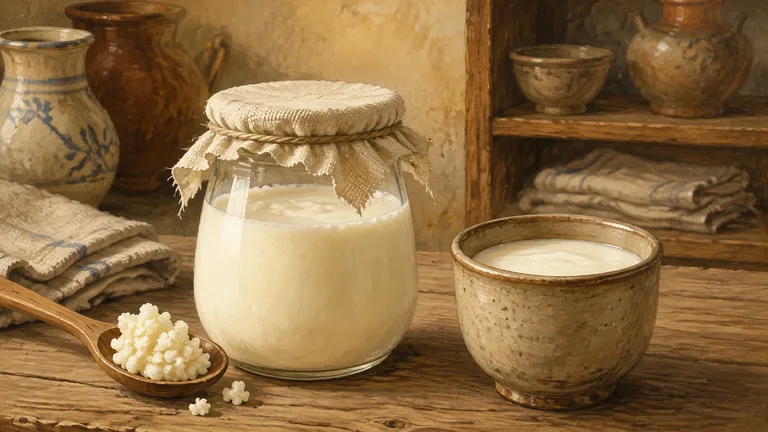
Filmjölk is produced using Lactococcus lactis strains alongside Leuconostoc mesenteroides, which produce diacetyl — a compound responsible for a subtle buttery aroma that distinguishes filmjölk from other fermented milks. Some varieties also contain Lactobacillus strains that contribute additional flavour complexity. The fermentation takes approximately 24 hours at room temperature, making it traditionally straightforward to produce at home without specialised equipment.
Filmjölk is one of the most consumed dairy products in Sweden, where it is consumed daily by a large proportion of the population for breakfast and as a snack. It is sold in Swedish supermarkets in a wide range of fat percentages, from full-fat to low-fat, as well as in flavoured varieties. Outside Scandinavia it is rarely available, though it is produced and sold in parts of Finland (as piimä) and other Nordic countries under similar names. Swedish immigrants brought filmjölk culture to parts of the United States and Canada.
Filmjölk nutrition is similar to other fermented whole milks. For full-fat filmjölk (240ml / 1 cup):
Filmjölk is a good source of calcium, protein, and B vitamins. Fermentation reduces the lactose content somewhat compared to fresh milk. It contains live lactic acid bacteria at the time of consumption. Its mild flavour and easy digestibility make it popular as an everyday food for people of all ages.
In Sweden, filmjölk is most commonly poured over cereals, müsli (muesli), or cornflakes at breakfast, or eaten with crispbread and jam as a snack. It is also drunk directly from a glass. In Swedish baking, filmjölk plays a similar role to buttermilk in American baking — its acidity reacts with bicarbonate to leaven pancakes (plättar), scones, and quick breads. Outside Scandinavia, it is primarily made at home by fermentation enthusiasts using imported or preserved starter cultures.