Kumis
RegionalCentral Asia and neighboring regions
A traditional fermented mare's milk beverage of Central Asia, also written koumiss or qymyz. Its fermentation involves both lactic acid bacteria and yeasts.
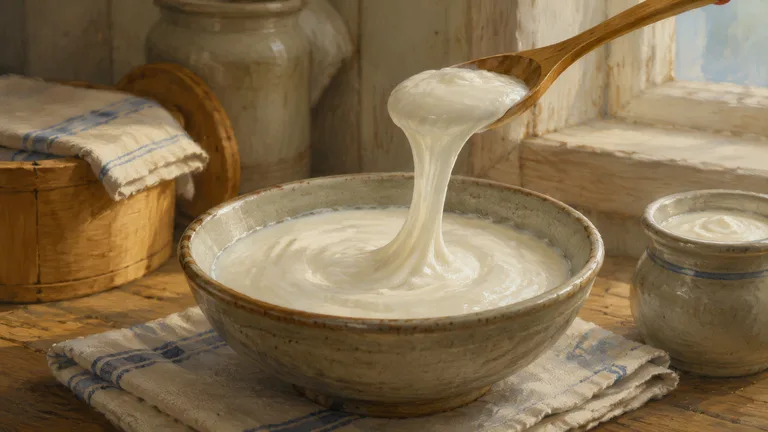
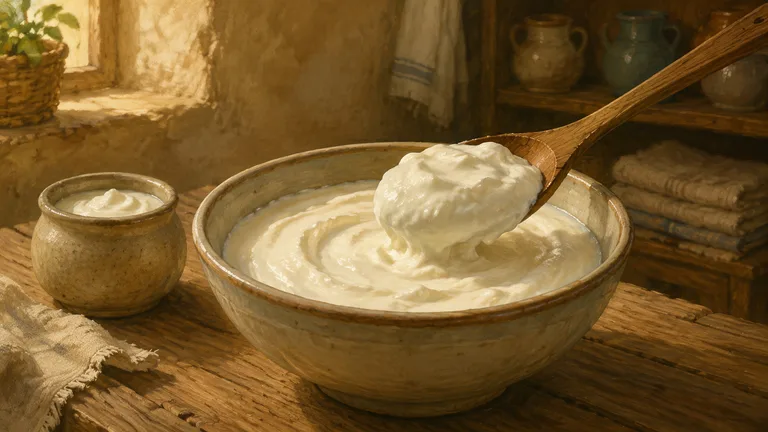
A traditional fermented mare's milk beverage of Central Asia, also written koumiss or qymyz. Its fermentation involves both lactic acid bacteria and yeasts.
Kumis (also spelled kumiss, qymyz, or koumiss) is a traditional fermented horse milk drink produced by the nomadic peoples of the Eurasian steppe — particularly in Kazakhstan, Kyrgyzstan, Mongolia, and the Bashkortostan and Buryatia regions of Russia. It is one of the oldest fermented beverages in the world, with archaeological evidence of horse domestication and milk use at Botai culture sites in Kazakhstan dating to approximately 3500 BCE. Kumis has been a cornerstone of Central Asian steppe culture for millennia, serving as a source of nutrition, hydration, and social significance.
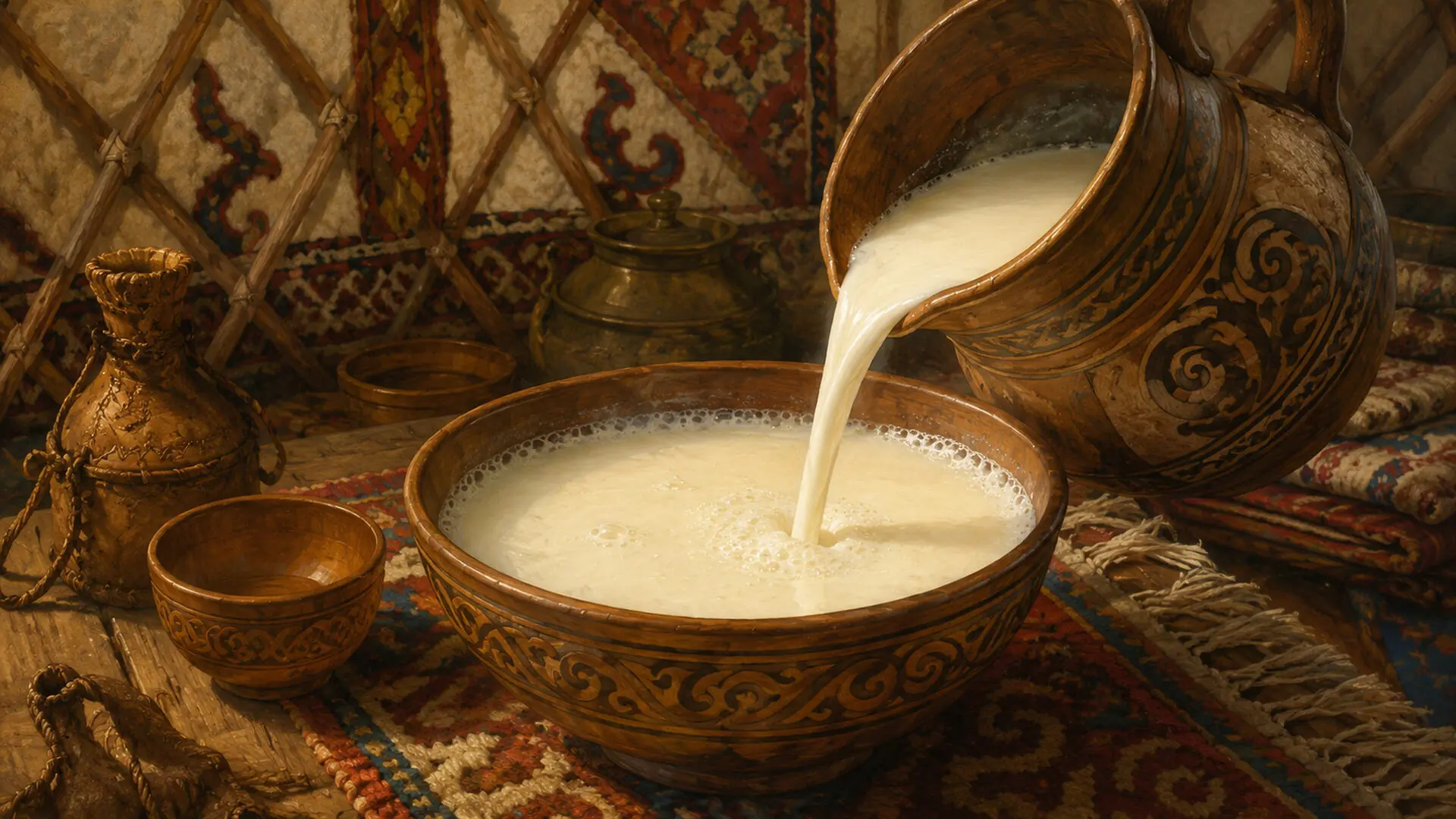
Kumis is produced by fermenting fresh mare milk in a traditional leather pouch (saaba in Kazakh, or equivalent in other traditions) or wooden vessel, using a starter of previously fermented kumis. The fermentation is conducted by both lactic acid bacteria (primarily Lactobacillus delbrueckii subsp. bulgaricus and related strains) and yeasts (primarily Kluyveromyces marxianus and Candida kefyr), producing a drink that is simultaneously soured through lactic acid fermentation and lightly alcoholic through ethanol-producing yeast fermentation. Traditional kumis typically contains 0.7–2.5% alcohol, though stronger varieties produced by longer fermentation can reach higher concentrations.
Fresh kumis is a white to pale yellow, slightly fizzy liquid with a sour, slightly alcoholic, and distinctively "horsey" flavour. It is consumed at various stages of fermentation — freshly made kumis is mild and mildly alcoholic; older, more fermented kumis is sharper and stronger. In Kazakhstan and Kyrgyzstan, kumis is offered to guests as a gesture of hospitality and is associated with the spring and summer seasons when mares are lactating. Kumis festivals and competitions are held across the region.
Kumis inherits the nutritional profile of mare milk, modified by fermentation. Typical values:
Kumis is low in fat and contains both lactic acid bacteria and yeasts as live cultures. Fermentation reduces the lactose content of the original mare milk. It provides some protein, B vitamins, and notably higher vitamin C than cow milk. The alcohol content makes it unsuitable for children, pregnant women, and those avoiding alcohol.
Kumis is primarily consumed as a traditional beverage across the Central Asian steppe, where it is deeply embedded in social customs. In Kazakhstan, offering kumis to a guest is an important gesture of hospitality. It is consumed at weddings, festivals, and the Nauryz spring celebration. In Mongolia, it is consumed during the Naadam festival. Historically, kumis was ascribed medicinal properties and 19th-century Russian sanatoriums offered "kumiss cures" for tuberculosis patients. It is not widely exported or available outside Central Asia and specialty markets.