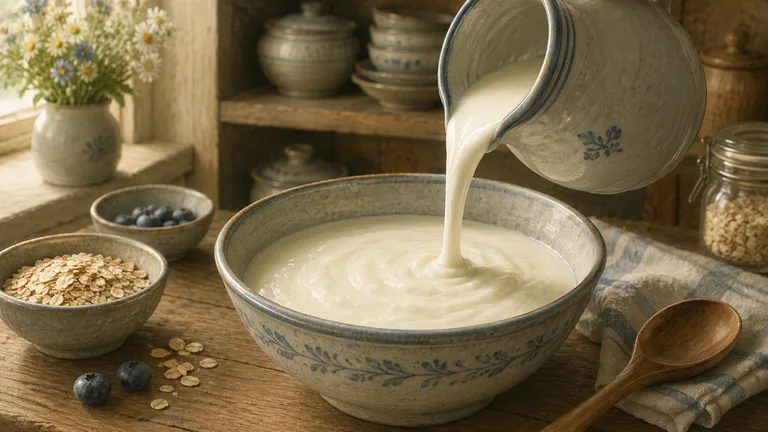
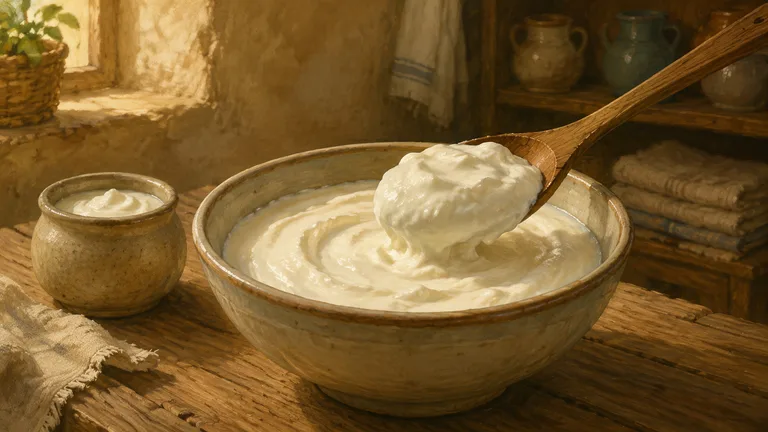
A cultured dairy beverage produced by fermenting milk with lactic acid bacteria. Modern cultured buttermilk is distinct from traditional churn buttermilk, the liquid left after butter is made.
About Cultured Buttermilk
Cultured buttermilk is a fermented dairy product made by adding lactic acid bacteria to pasteurised low-fat or skim milk. The term "buttermilk" historically referred to the liquid left over after butter was churned from cream — a thin, tangy, slightly sour liquid containing residual milk fat, proteins, and the water-soluble components of cream. Modern cultured buttermilk, however, is an industrially produced product that mimics this flavour through bacterial fermentation rather than being a by-product of butter production.
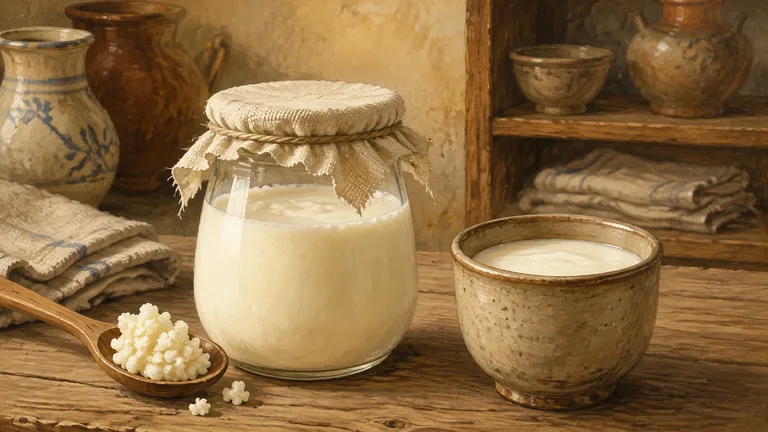
To produce cultured buttermilk, low-fat or skim milk is pasteurised and then inoculated with a starter culture of Lactococcus lactis subsp. lactis and Lactococcus lactis subsp. cremoris, the same mesophilic bacteria used to make many soft cheeses and cultured creams. These bacteria ferment the lactose in the milk into lactic acid, lowering the pH and producing the characteristic tangy, slightly sour flavour. Some producers also add bacteria that produce diacetyl, a compound that contributes a buttery aroma.
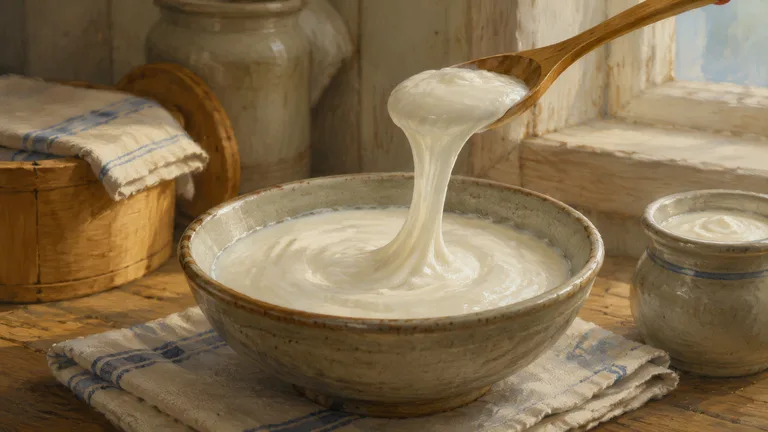
Cultured buttermilk is thicker than regular milk due to the partial coagulation of proteins caused by acid production. It typically has a fat content of 1–2% (low-fat) and a pH of around 4.4–4.8. The Codex Alimentarius standard for fermented milks (CXS 243-2003) covers buttermilk as a category of fermented milk produced using mesophilic lactic acid starter cultures.
Codex Alimentarius — Standard for Fermented Milks — International food standard CXS 243-2003 (amended through 2024) — covers fermented milks including cultured buttermilk; the standard distinguishes fermented milk products from traditional butter-churn by-products
Nutrition
Cultured low-fat buttermilk (240ml / 1 cup) typically contains:
Calories~98 kcal
Fat~2.2 g
Protein~8 g
Carbohydrates~12 g
Calcium~284 mg
Live culturesPresent
Cultured buttermilk is relatively low in fat and a good source of protein, calcium, and B vitamins. Because fermentation partially breaks down lactose, it may be better tolerated than regular milk by some people with mild lactose intolerance. It contains live lactic acid bacteria at the time of packaging.
Cultured buttermilk is widely used in baking, where its acidity reacts with bicarbonate of soda (baking soda) to produce carbon dioxide, creating a light and tender crumb in pancakes, waffles, scones, muffins, and quick breads. American buttermilk pancakes and Southern-style biscuits rely on buttermilk for their characteristic lightness and slight tang. In the American South, buttermilk is used to marinate chicken before frying — the acid tenderises the meat. Ranch dressing, one of the most popular salad dressings in the United States, is traditionally buttermilk-based.
Interesting Facts
Traditional buttermilk — the genuine by-product of butter churning — is now rarely sold commercially. Most "buttermilk" sold in supermarkets today is cultured buttermilk made by fermenting low-fat milk.
In baking, the combination of buttermilk (acid) and bicarbonate of soda (base) produces a rapid chemical reaction releasing CO₂ gas — providing leavening without the need for yeast or long rising times.
In parts of India, a diluted spiced buttermilk drink called chaas or majjiga is consumed daily as a digestive aid, particularly after meals, and is especially popular in summer for its cooling properties.
In Ireland, buttermilk has been consumed for centuries and was traditionally used to make soda bread — the acid in buttermilk activates the bread soda (bicarbonate of soda) to leaven the bread.
Buttermilk has a naturally long shelf life compared to regular milk due to its low pH — the acidic environment inhibits the growth of most spoilage bacteria.