Viili
RegionalFinland and other Nordic countries
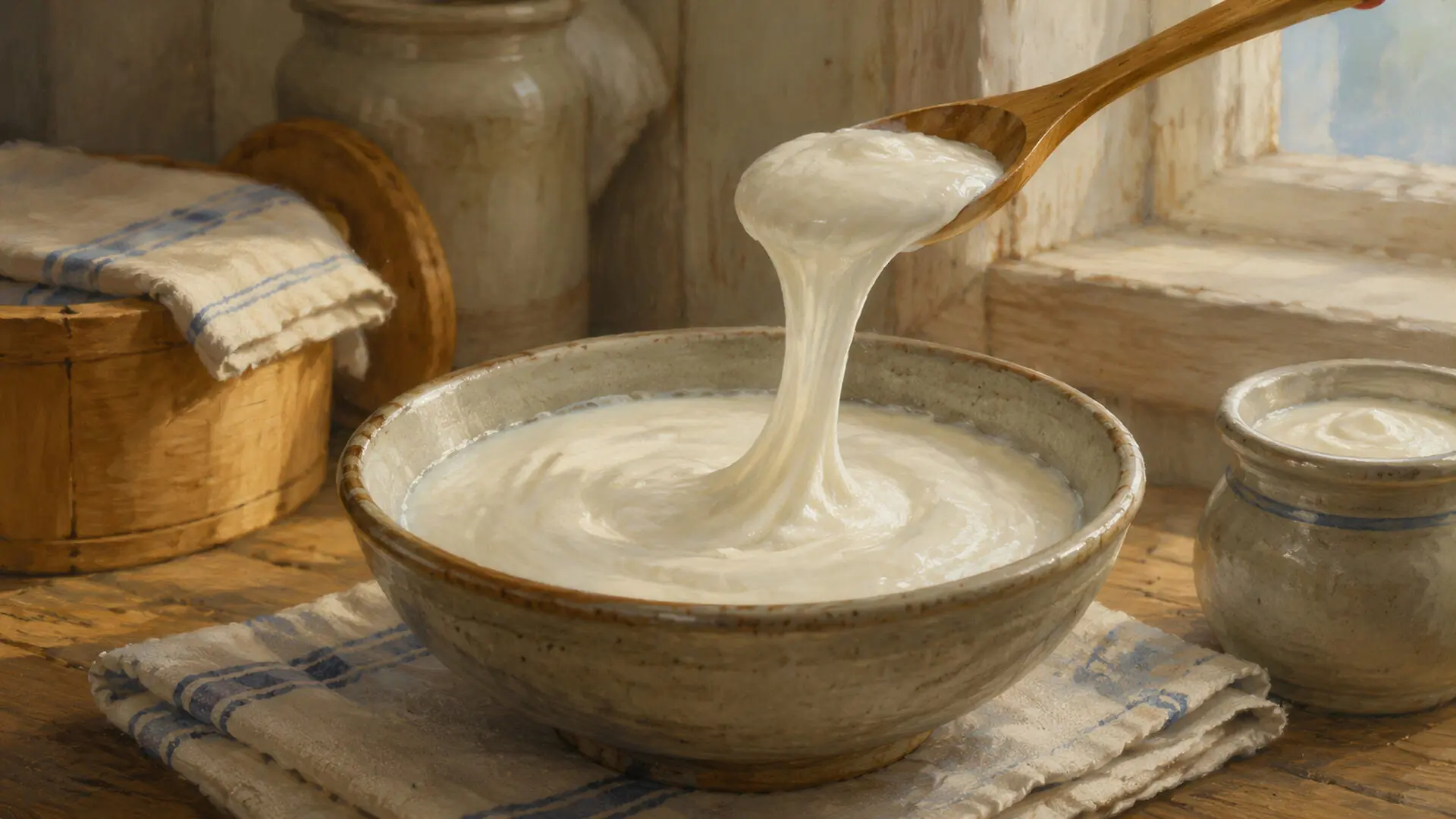
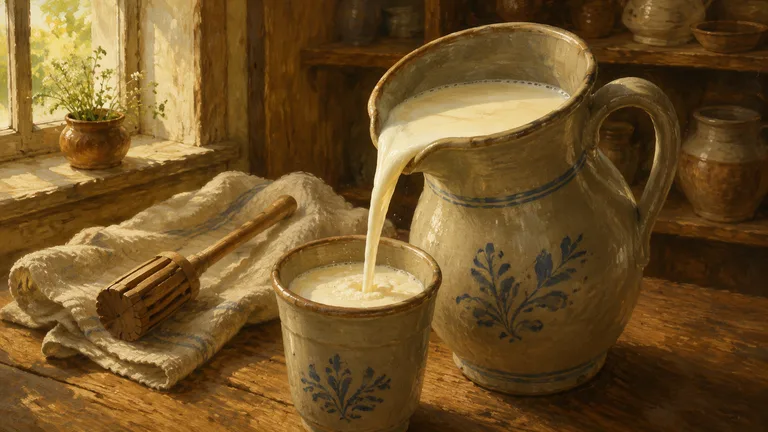
Viili is a Finnish cultured-milk food known for a ropy or stretchy texture.
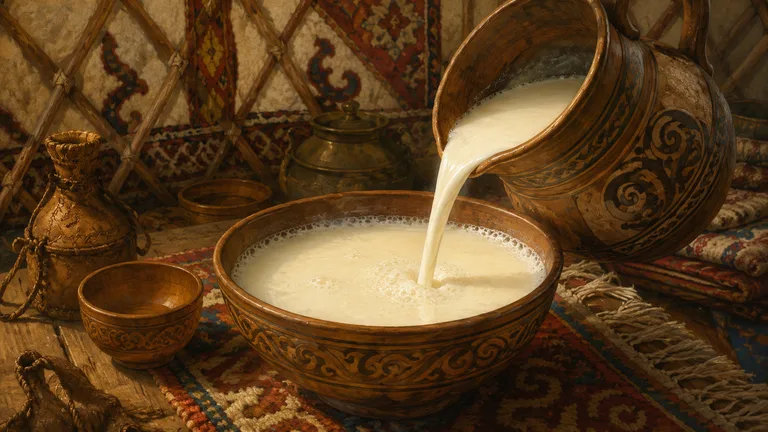
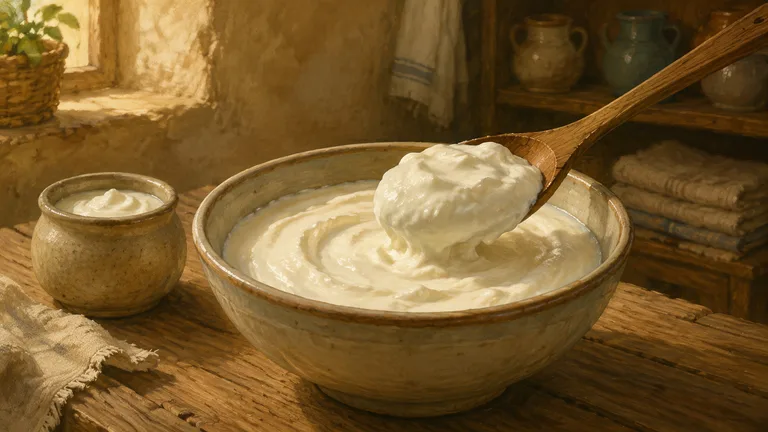
Viili is a Finnish cultured-milk food known for a ropy or stretchy texture.
Viili is a Finnish cultured-milk food known for a ropy or stretchy texture. Exopolysaccharides produced by some starter bacteria contribute to that texture. [1][2]
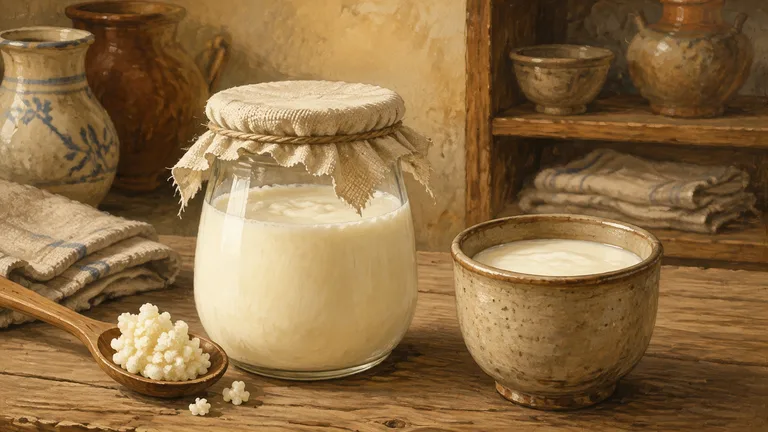
Traditional viili can also have a surface layer associated with Geotrichum candidum. The surface organism should not be credited as the sole cause of the bacterial polysaccharide texture, and not every modern product has the same culture mixture. [1][2]
The starting milk, fat level, added ingredients, and processing determine nutrition. A study identifying bacterial strains is not a calorie or protein analysis of every viili. Fermentation may leave residual lactose, and a live-culture food is not automatically a clinically validated probiotic treatment. [1][2]
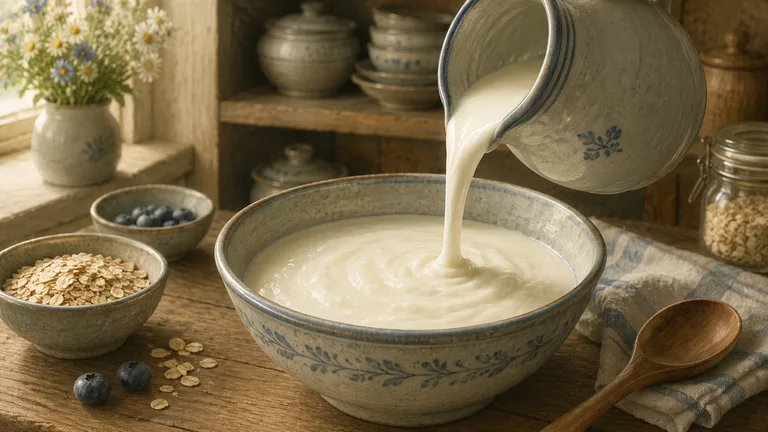
Viili is eaten as a cultured-milk food, often with breakfast accompaniments. Its ropy texture can be part of the appeal rather than a property shared with ordinary yogurt. Use product directions or a validated process rather than a guarantee that any culture can be propagated indefinitely.
Research source; findings apply to the population, product, or process identified in the entry.
Archived official copy, PDF pages 2–3, used for definitions and culture criteria. Later amendments should be consulted through the current FAO Codex register; this is not presented as the latest edition.
Current FAO Codex register — search CXS 243-2003 for the current edition.